
Best Robot Lawn Mowers 2026: Find the Right One for Your Lawn
The best robot lawn mower is not simply the model with the longest feature list. It is the mower that has enough capacity, traction and navigation ability for the lawn you actually own — without paying for capability you do not need.
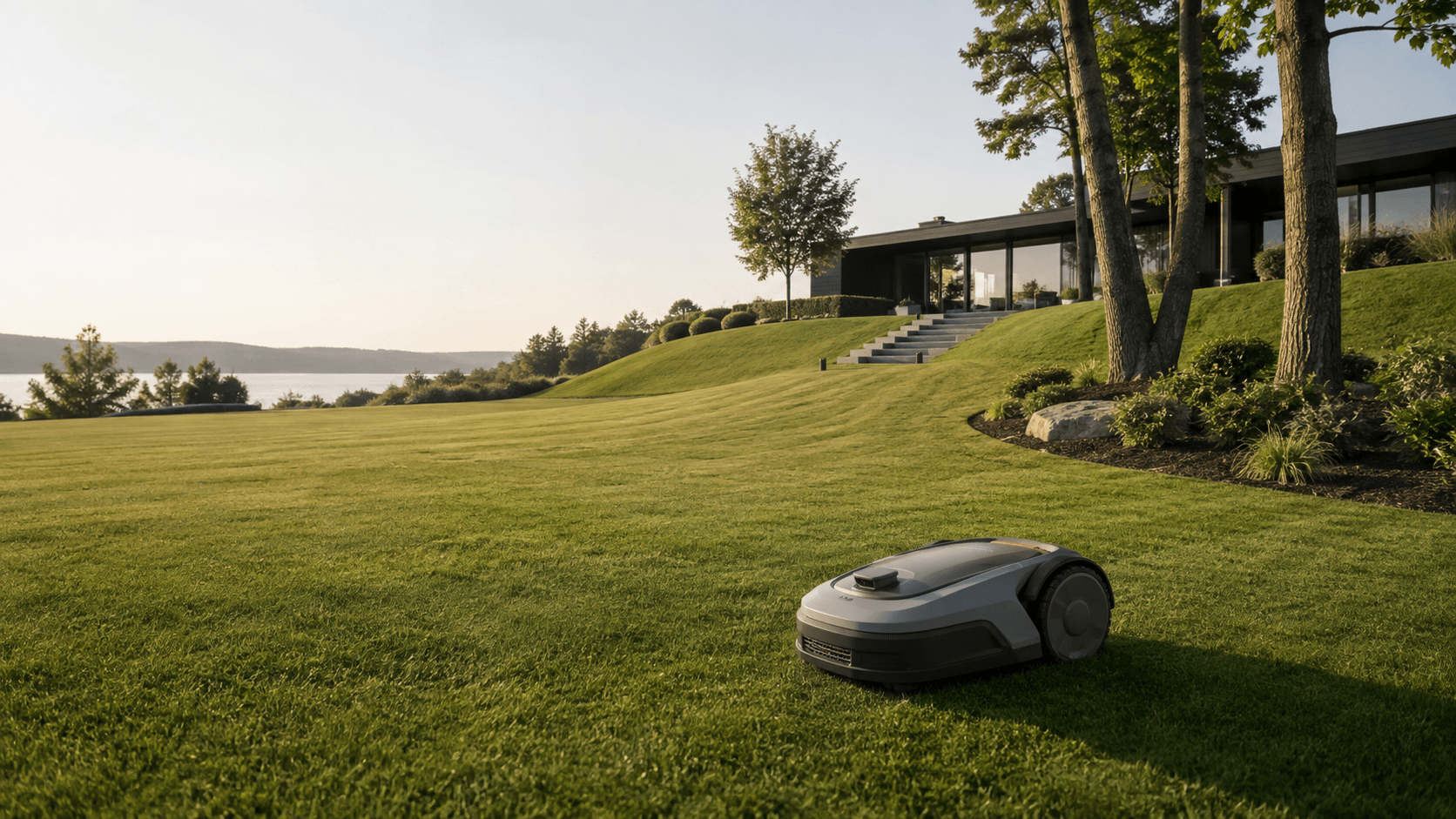
There is no single best robot lawn mower
A flat 500 m² lawn with open sky and clean borders needs a very different machine from a 3,000 m² property with steep banks, trees, narrow passages and several mowing zones. That is why our best robot lawn mowers for 2026 are organised by lawn fit, not by a universal number-one ranking.
Start with the constraints that can eliminate a mower completely: lawn area, steepest slope, ground difficulty, navigation conditions and how the mowing areas connect. Features such as app design, cutting patterns and edge finishing matter too, but only after the mower can reliably handle the garden itself.
If you already know your lawn size, slope and layout, go straight to the MowCompass Robot Lawn Mower Finder. If you do not know your lawn area, measure only the mowable grass with the Lawn Size Calculator first.
Best robot lawn mowers by lawn type
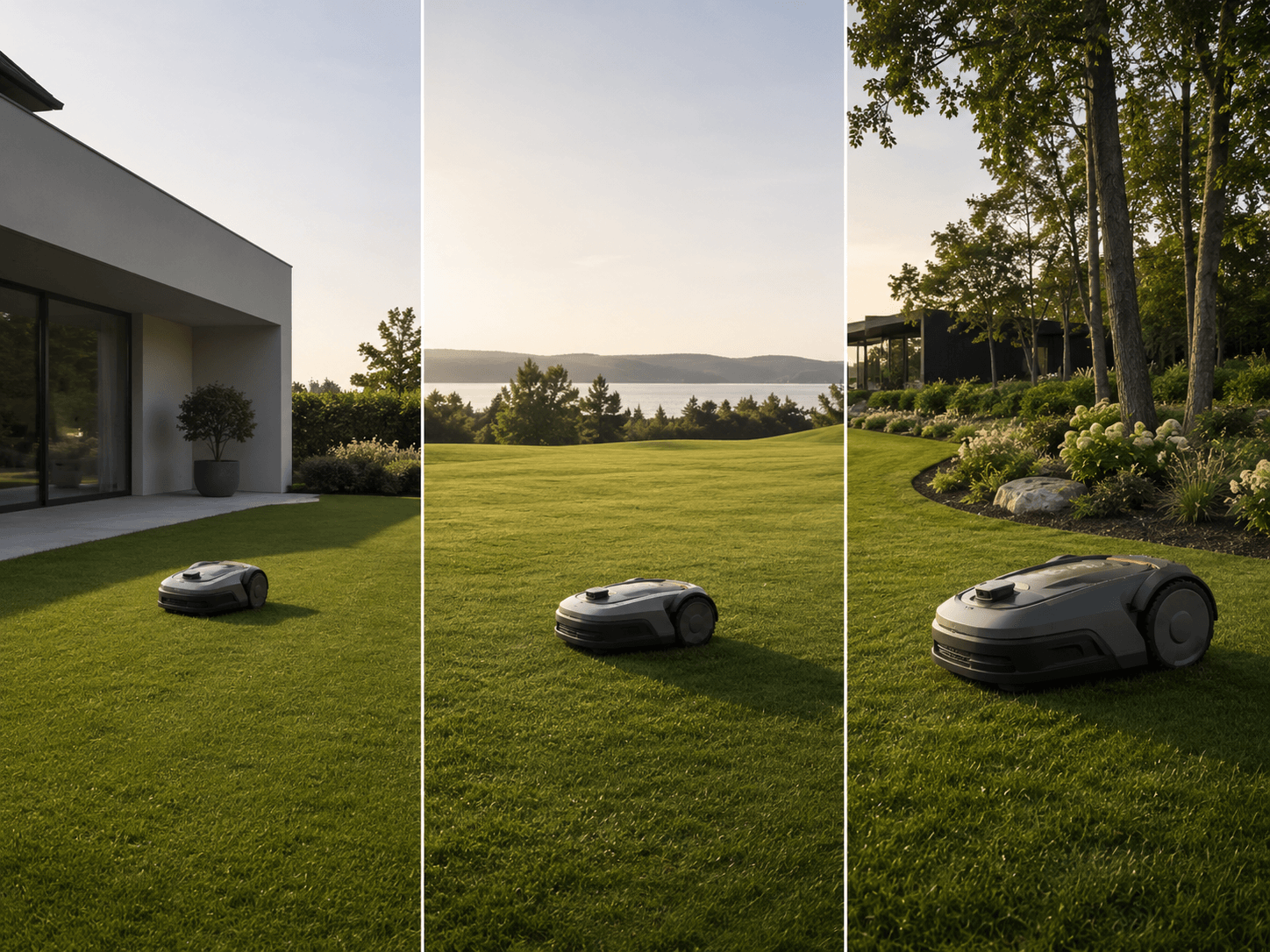
These are starting points, not universal winners. Each model below solves a different lawn problem particularly well. The final choice can still change with your exact area, terrain, zones and buying market.
| Best fit | Model | Max lawn | Max slope | Navigation / drive |
|---|---|---|---|---|
| Small complex lawn | ANTHBOT M5 LiDAR | 500 m² | 45% | LiDAR + dual vision · RWD |
| Edges & tight passages | ECOVACS GOAT O1000 LiDAR PRO | 1,000 m² | 45% | Dual-LiDAR + vision · RWD |
| Balanced medium lawn | Segway Navimow i215 LiDAR | 1,500 m² | 45% | LiDAR + vision · RWD |
| Extreme slopes | Segway Navimow X430 | 3,000 m² | 84% | Hybrid positioning · AWD |
| Large complex terrain | Mammotion LUBA 3 AWD 3000 | 3,000 m² | 80% | LiDAR + vision + NetRTK · AWD |
| Large RTK-free terrain | Dreame A3 AWD Pro 3500 | 3,500 m² | 80% | LiDAR + binocular vision · AWD |
What makes one robot mower a better fit than another?
The best robot lawn mowers are the models that clear the lawn's hard requirements before softer features are compared. MowCompass therefore starts with the garden and works outward toward the product.
Lawn capacity
A mower needs enough realistic capacity for the grass it will maintain. Measure the mowable lawn rather than the entire property.
Slope & traction
The steepest bank can rule out an otherwise excellent mower. Rough or soft ground can make AWD more valuable even before the published slope limit is reached.
Navigation environment
Trees, buildings, walls and shade can change which positioning system makes sense. “Wire-free” alone does not tell you how the mower actually navigates.
Layout & zones
Narrow connections, separate mowing areas and complex borders can be more important than an extra feature on the spec sheet.
If lawn size is your main uncertainty, use our best robot lawn mowers by lawn size guide. If hills are the limiting factor, compare the best robot lawn mowers for slopes and measure the gradient with the Robot Mower Slope Calculator.
Best robot lawn mower for a small, shaded or complicated lawn
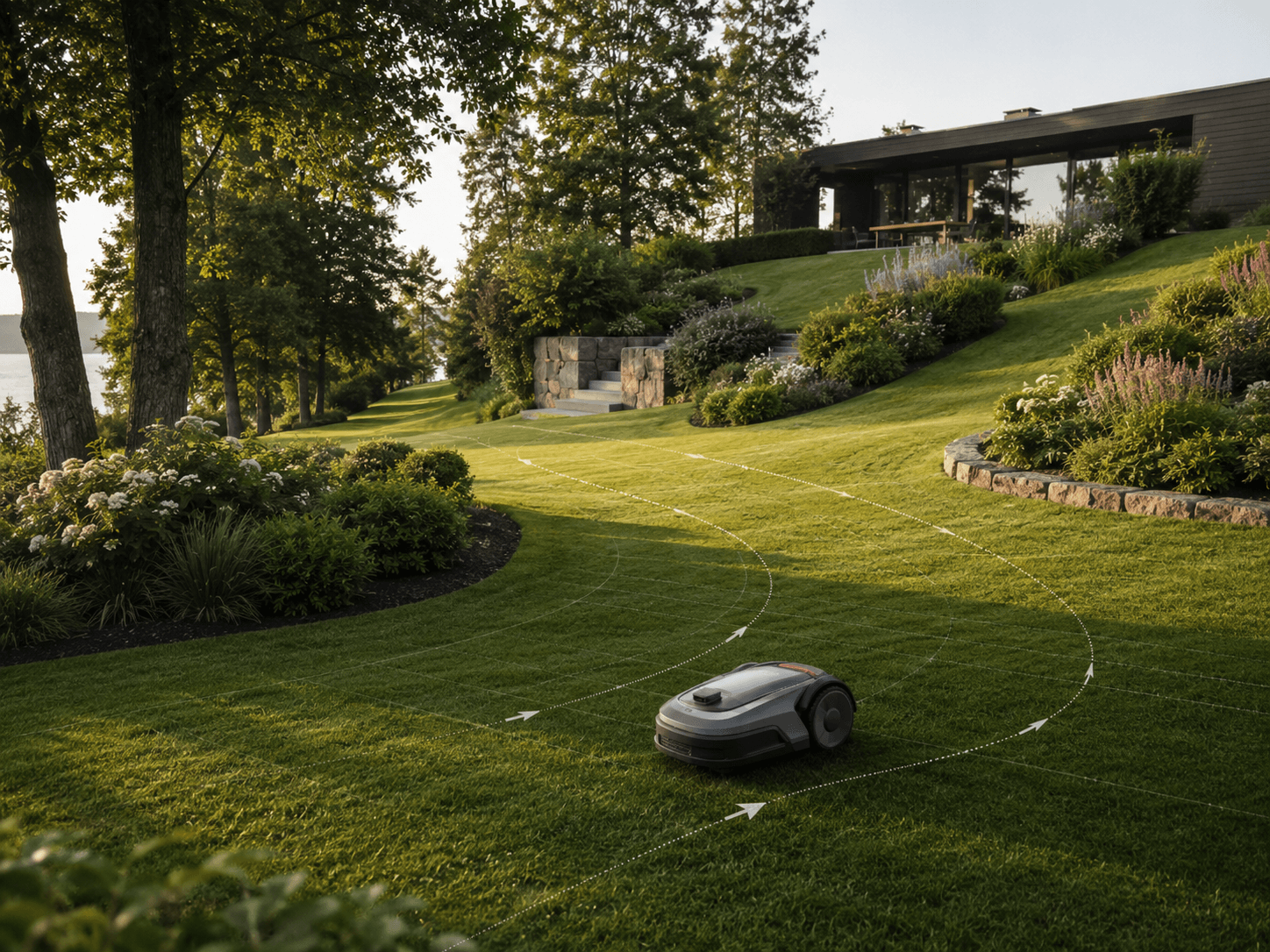
Small does not always mean easy. A compact garden can still contain trees, tight corners, narrow paths and areas where satellite positioning is awkward. In that situation, navigation quality matters more than buying a larger mower.
ANTHBOT M5 LiDAR
The M5 LiDAR is a compact wire-free option built around 360° LiDAR and dual-camera vision rather than an RTK base station. Its 500 m² capacity keeps it firmly in small-lawn territory, but its navigation stack makes it more interesting than a basic small-garden mower when shade, tight corners or narrow connections complicate the job.
Best robot lawn mower for tighter gardens and less edge work
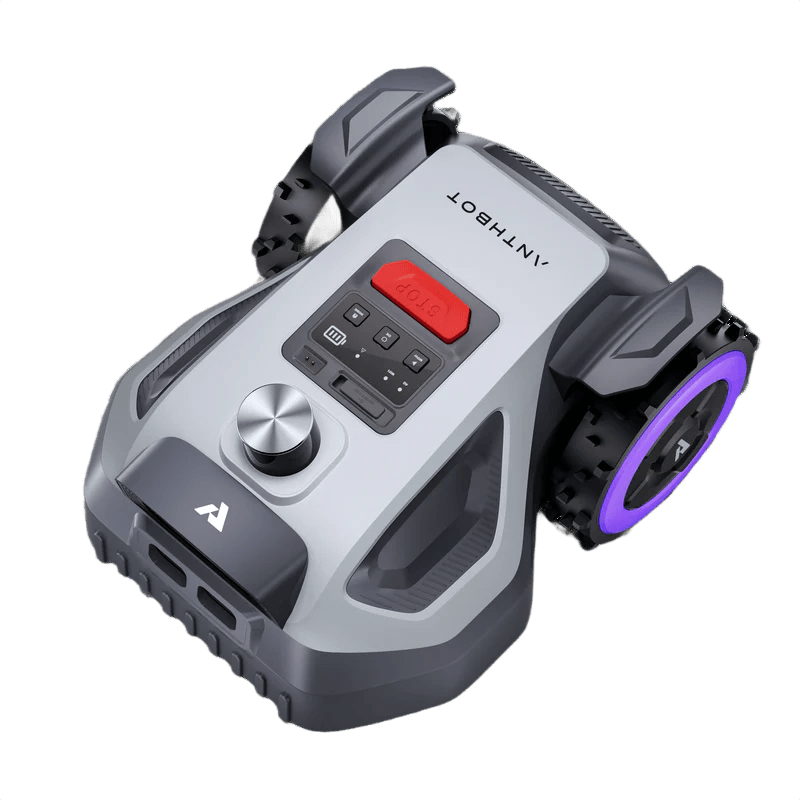
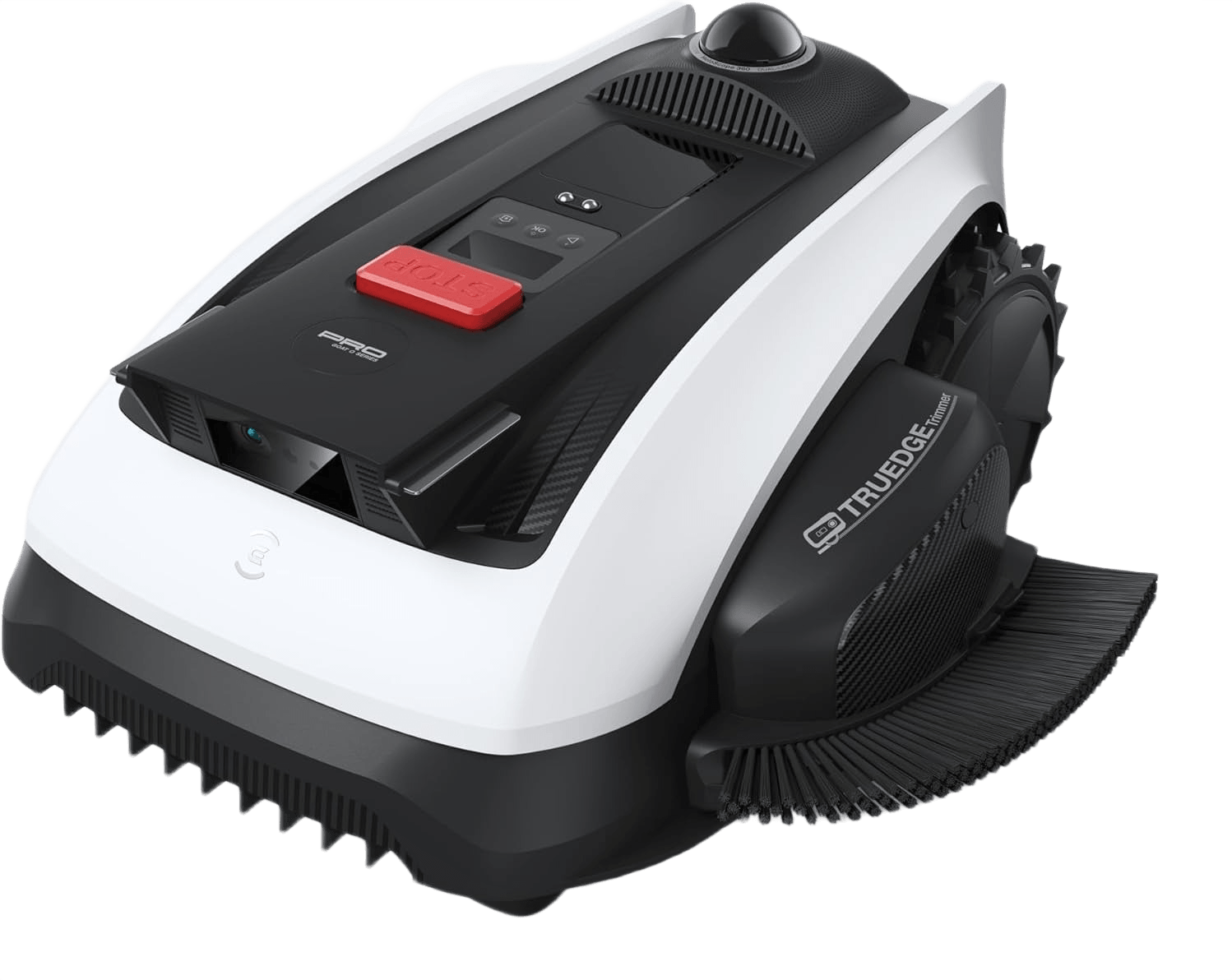
Some lawns are easy to cover but annoying to finish. Curved borders, narrow passages and repeated manual edge trimming can matter more than maximum area. This is where the GOAT O1000 LiDAR PRO becomes a particularly strong fit.
ECOVACS GOAT O1000 LiDAR PRO
The O1000 combines Dual-LiDAR navigation, AI camera-based obstacle avoidance and an integrated edge-trimming system. It is rated for lawns up to 1,000 m² and can pass through narrow paths down to about 80 cm under ECOVACS' stated test conditions, making it a compelling option for smaller-to-medium landscaped gardens.
Best all-round starting point for a medium-sized lawn
For many homeowners, the sweet spot is not extreme AWD hardware or a very small specialist mower. It is a wire-free machine with enough area capacity, robust local navigation and sensible slope ability for an ordinary but not perfectly simple garden.
Segway Navimow i215 LiDAR
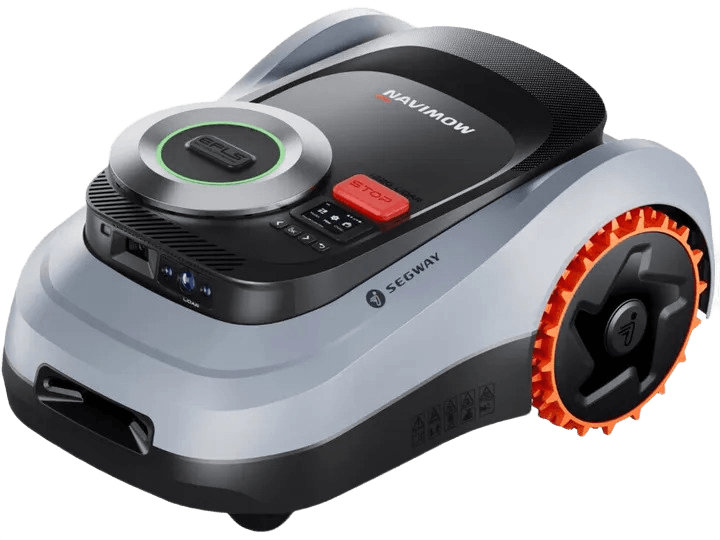
The i215 LiDAR is our most balanced starting point for many medium-sized lawns because it combines up to 1,500 m² capacity with LiDAR and vision, no perimeter wire and no RTK antenna. That combination is especially useful where trees, shade or narrow sections make a satellite-only approach less attractive, without moving straight into a large AWD flagship.
Best robot lawn mower for extreme slopes and rough terrain
Once slopes and surface difficulty become the main problem, traction should move ahead of convenience features. A mower that looks excellent on a flat lawn is irrelevant if it cannot climb, turn or stay stable on the hardest part of the property.
Segway Navimow X430
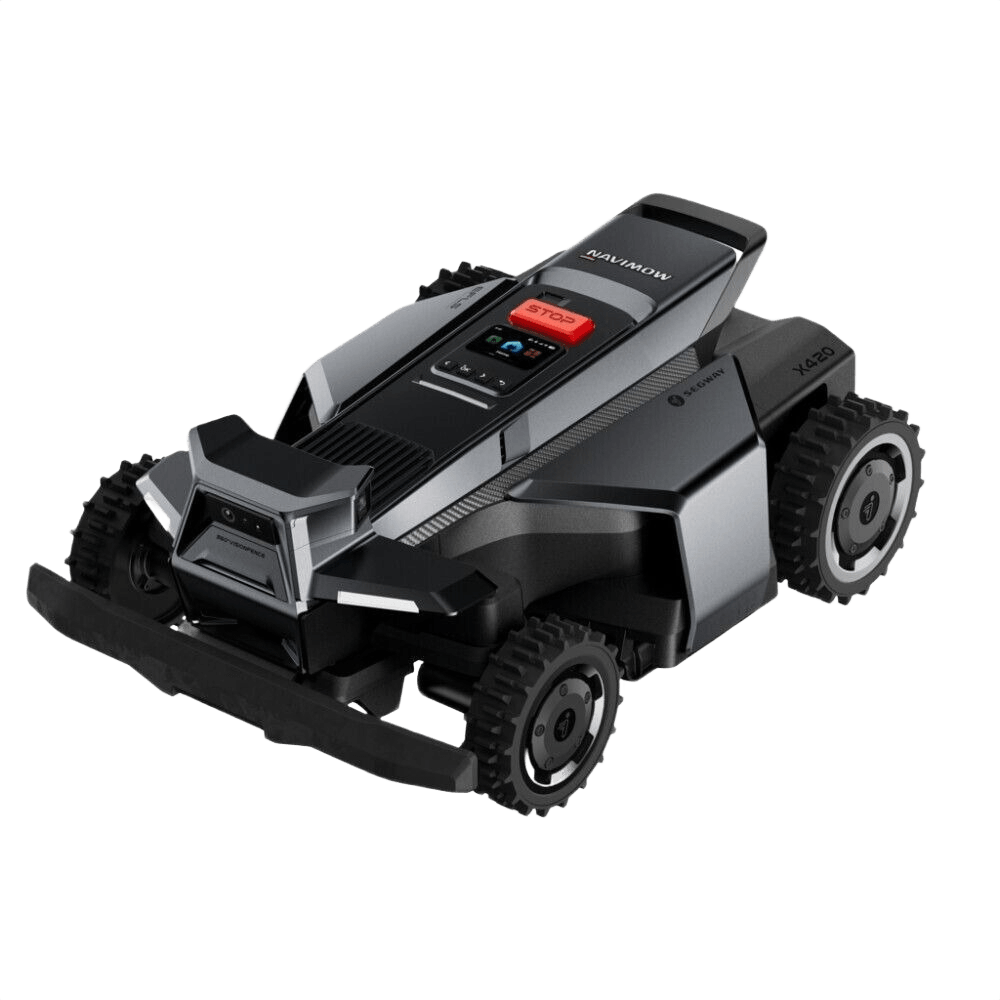
The X430 is the terrain-first choice in this guide. Its AWD platform is rated for slopes up to 84% (40°) and lawns up to 3,000 m², with a wide 430 mm cutting system. That makes it much more than a high-capacity mower: it is built for properties where climbing ability, ground clearance and stability are central buying requirements.
Best robot lawn mower for a large, steep and multi-zone property
A large lawn becomes genuinely difficult when area, slopes and layout all stack together. At that point the best robot lawn mowers need not only battery and cutting capacity, but also traction and a navigation system that can keep working across complicated zones.
Mammotion LUBA 3 AWD 3000
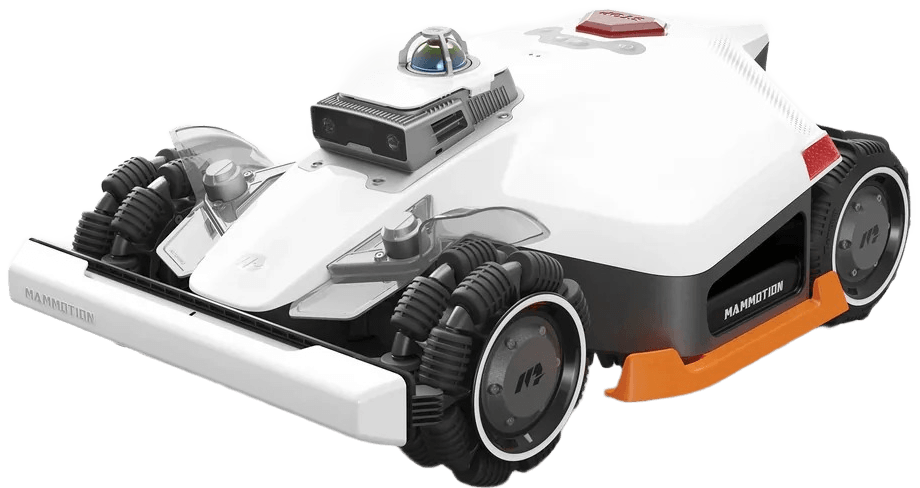
The LUBA 3 AWD 3000 combines a 3,000 m² rating with AWD, 360° LiDAR, AI vision and NetRTK-based positioning without requiring a physical RTK base station. Its 80% slope rating and support for up to 30 mowing zones make it especially relevant when the property is large, steep and divided rather than simply large and open.
Best large robot lawn mower when you want to avoid RTK dependence
Large properties can be difficult for positioning as well as traction. Trees, buildings and complicated landscaping can make a mower that relies heavily on satellite reception less attractive, especially when the garden also includes steep or rough sections.
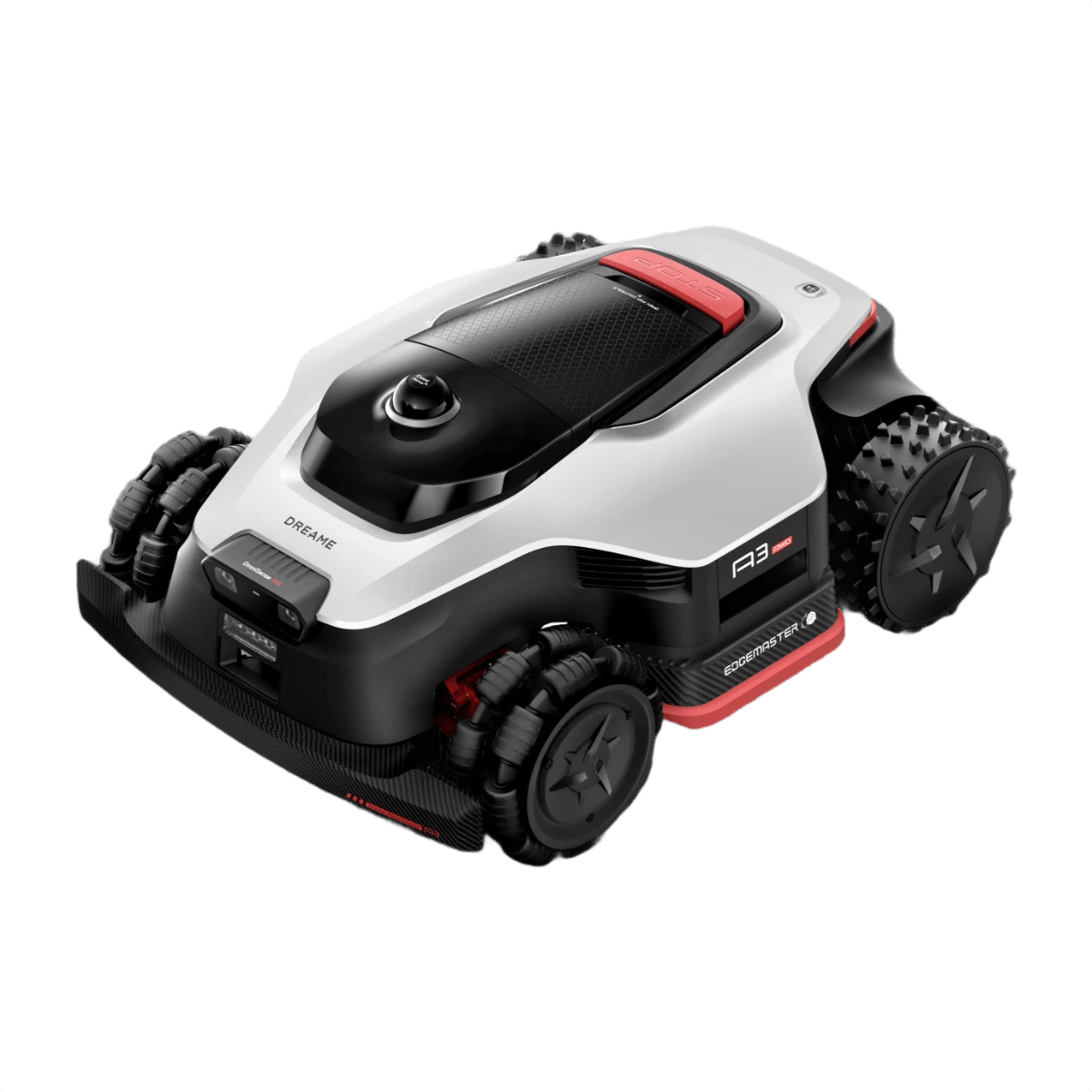
Dreame A3 AWD Pro 3500
The A3 AWD Pro 3500 combines AWD with 3D LiDAR and binocular AI vision, giving it a strong navigation package without relying on an RTK station. With up to 3,500 m² capacity, an 80% slope rating and a 400 mm cutting width, it is aimed squarely at large gardens where terrain and navigation are both demanding.
How to choose the best robot lawn mower for your garden
The models above are useful starting points, but the best robot lawn mower for your property can change quickly when one requirement changes. Use the following order before comparing price or convenience features.
Most gardens can work with a robot mower, but some need more careful product selection. Use our robot mower lawn suitability guide to check slopes, trees, passages, separate areas and charging access before you buy.
Product fit comes before the retailer
MowCompass separates the mower from the seller. Product specifications are structured independently from retailer offers, so a product does not become a stronger technical recommendation because its affiliate commission is higher or because one store happens to have a promotion.
These best robot lawn mowers are selected from the current MowCompass product database using lawn capacity, slope, terrain, layout, navigation and setup characteristics. Manufacturer specifications can change, regional variants can differ and no online recommendation can inspect your property in person. Important requirements should always be confirmed before purchase.
Read how MowCompass matching works or go directly to the Robot Lawn Mower Finder to compare your own lawn against the database.
Best robot lawn mowers 2026: common questions
What is the best robot lawn mower in 2026?
There is no single model that is best for every lawn. A strong choice needs enough capacity for the mowable area, sufficient slope and terrain capability, navigation that fits the property and practical support for the lawn's zones and passages.
What is the best robot lawn mower for a small lawn?
For a small lawn, avoid buying capacity you do not need. If the garden is complex or shaded, a compact LiDAR-and-vision model such as the ANTHBOT M5 LiDAR can make sense. A simpler open lawn may not need that level of navigation technology.
What is the best robot lawn mower for steep slopes?
For extreme slopes, traction and gradient headroom matter more than most convenience features. The Segway Navimow X430 is rated up to 84% (40°), while the Mammotion LUBA 3 AWD and Dreame A3 AWD Pro families reach the 80% class. Real lawns can be harder when grass is wet, loose or uneven, so do not buy exactly at the limit if you can avoid it.
Is LiDAR better than RTK for a robot lawn mower?
Not automatically. LiDAR can be attractive around trees, buildings and shaded areas because it relies on local sensing, while RTK can work extremely well in suitable positioning conditions. Hybrid systems can combine multiple technologies. The best navigation method depends on the garden rather than which technology is newest.
Do I need AWD on a robot lawn mower?
Only when the lawn gives AWD a job to do. Steep banks, rough ground, soft sections and difficult terrain can justify the extra traction. A flat, firm and well-kept lawn may be better served by a simpler rear-wheel-drive mower.
Should I buy a robot mower larger than my lawn?
Some capacity headroom can be useful, especially on large, sloped or complex properties. But oversized is not automatically better. The goal is enough mowing capacity plus the capabilities your garden actually needs.
Are the same robot lawn mowers sold in the US and Europe?
No. Manufacturers often sell different models or variants by market, and retailer availability changes over time. The shopping links on this English page currently prioritise US offers where available; MowCompass tracks market availability separately from technical product fit.
The best mower is the one that fits your lawn.
Tell MowCompass your lawn size, steepest slope, ground surface, garden layout, mowing areas, sky visibility and setup preference. The Finder removes poor fits first, then compares the viable options.
Find My Robot Mower →